Rostherne Mere
A National Nature Reserve; CAWOS runs the A.W. Boyd Memorial Observatory.
No public access to the reserve
There is no public access to the National Nature Reserve itself. Good views are available from Rostherne churchyard, the surrounding lanes and the Observatory. CAWOS manages only the Observatory, not the reserve.
At a glance
- Reserve area
- About 78 ha of lake, woodland and willow beds, plus about 72 ha of surrounding farmland included by agreement
- Species recorded
- 211
- Day permits
- £1 per person (escorted parties £1 per head)
- Accompanied walks
- Sunday mornings from 9.00am
- Observatory annual permit
- £12 single, £17 family, £5 for children aged 11 to 16
About the reserve
CAWOS took over running the A.W. Boyd Memorial Observatory from Manchester Ornithological Society under an agreement with Natural England that began in 1998. A feeding station attracts finches, tits and Nuthatch. Weekends are busiest and voluntary wardens are usually present; on weekdays, please phone ahead. Bring wellingtons, park in the village car park opposite Egerton Hall, and avoid the monthly “duck count” days.
The mere formed partly through subsidence of salt strata. It rarely freezes, which makes it attractive to waterfowl.
What is there to see?
- Winter: ducks arrive from northern Europe, including Mallard, Shoveler, Pochard and Tufted Duck. The mere is a major gull roost, often holding over 4,000 birds, mainly Black-headed Gulls. Water Rails, regular Bitterns and a large Starling roost are winter specials.
- Breeding: Mallard, Coot, Moorhen, Reed Warbler, a few Great Crested Grebes and Canada Geese. A Cormorant colony has become established in recent years.
- Passage: migrants such as Bewick’s and Whooper Swans, Osprey, Shelduck, terns and occasional waders. Sea birds are sometimes blown in during westerly gales.
History of the Observatory
A.W. Boyd was a Cheshire naturalist who studied Rostherne’s birds and helped persuade Lord Egerton to designate the mere as a nature reserve. After his death in 1959, Manchester Ornithological Society built the Observatory as a memorial, and it opened in 1962. CAWOS runs it under a rolling three-year agreement, with a sub-committee including members from Natural England and CAWOS managing its separate funds. Natural England renewed the roof in 2009.
How to visit
Non-members who want regular access need a permit, which runs for the calendar year. Apply by email to Sheelagh Halsey, the Rostherne Permit Secretary, via the Contact Us page, or directly at rostherne_permit@btinternet.com. Cheques should include a stamped addressed envelope. CAWOS members can pay for permits with their annual renewal; see Membership.
-
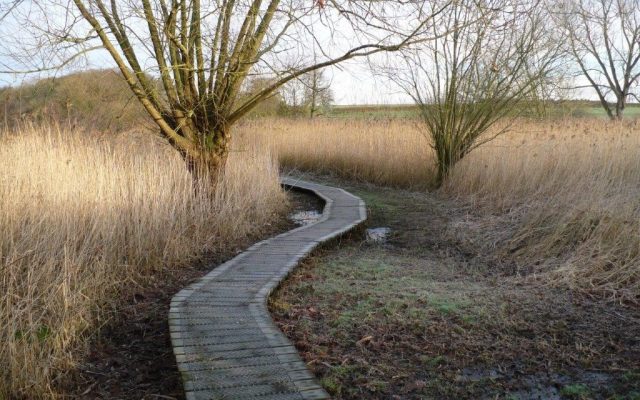
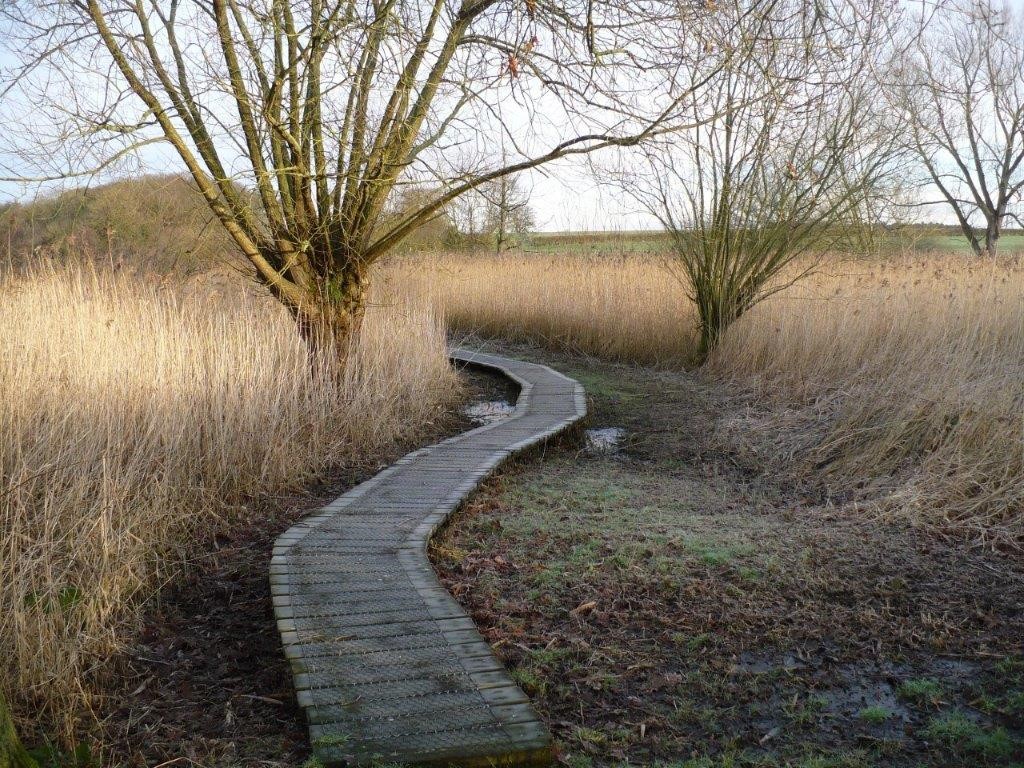
Boardwalk at Rostherne Mere -
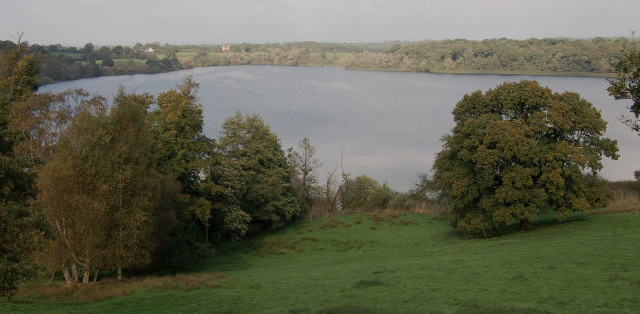
Rostherne Mere -
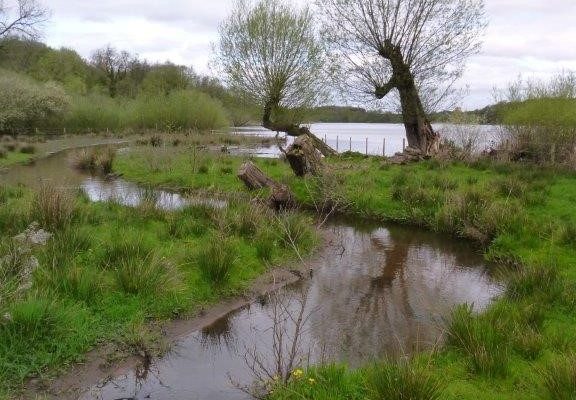
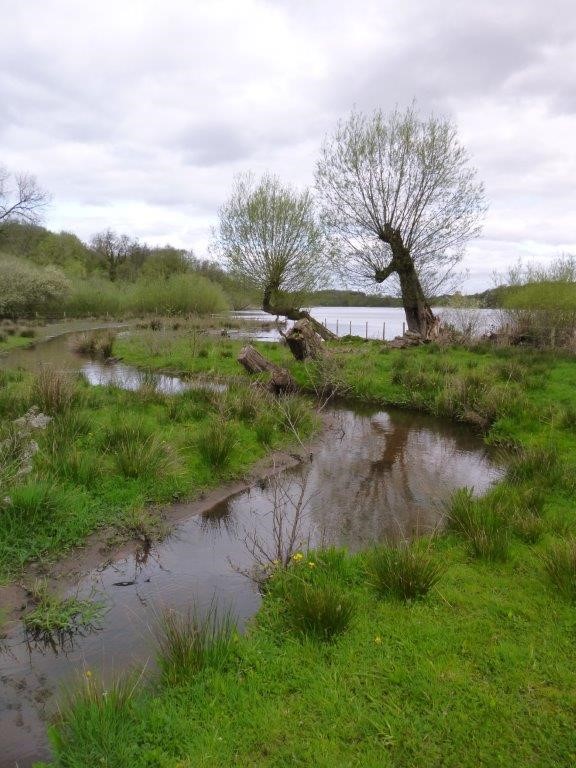
Stream at Rostherne Mere